CADH Trains Uganda’s Frontline Health Workers.
When we talk about quality health care, we usually think about medicines, equipment, and staff. Those matter, of course. But something quieter shapes whether people come back, stick to their treatment, or bring their child in for the next round of immunisation, and that’s how they’re treated the moment they walk through the door. That simple idea is what the Digital Interpersonal Communication (IPC) Skills project is all about.
The Center for Applied Digital Health (CADH), together with partners like CASH and Lafia, developed the curriculum and has been rolling out this training for frontline health workers. The Ministry of Health has now approved it, and we’ve reached one of the biggest milestones yet, training the people who will go on to train everyone else
Why This Project Exists
Uganda’s health workers are more than ready to learn on their phones. In our survey, 92% said they’re completely comfortable with a smartphone, and 98% would happily take a short, accredited digital course on communication. The willingness is there, no question. Where things get shaky is in the tougher, human moments of the job. About 40% admitted they don’t feel confident staying calm when a caregiver is upset or frustrated. Around 30% find it hard to handle vaccine hesitancy or gently correct misinformation. And more than 60% said that on a busy day, the sheer workload makes it almost impossible to really listen to a patient and explain things properly, which is exactly what you’d expect in a packed Health Centre III or IV.
This isn’t about people not caring. It’s what happens when nobody has ever treated communication as a skill worth training for. And the cost is real: missed immunization visits, patients quietly dropping out of antenatal or HIV care, and trust in public facilities slowly wearing thin. Once that trust goes, so does the willingness to come back. That’s the gap CADH is setting out to close. The idea is simple: meet health workers where they already are, on their phones, and give them practical, well-built training that turns good communication into a real professional skill. Do that at scale, and you start to shift the things that matter most: trust, service uptake, and patients who actually stay in care.
The communities we serve
Building the Curriculum With the People Who will Use It
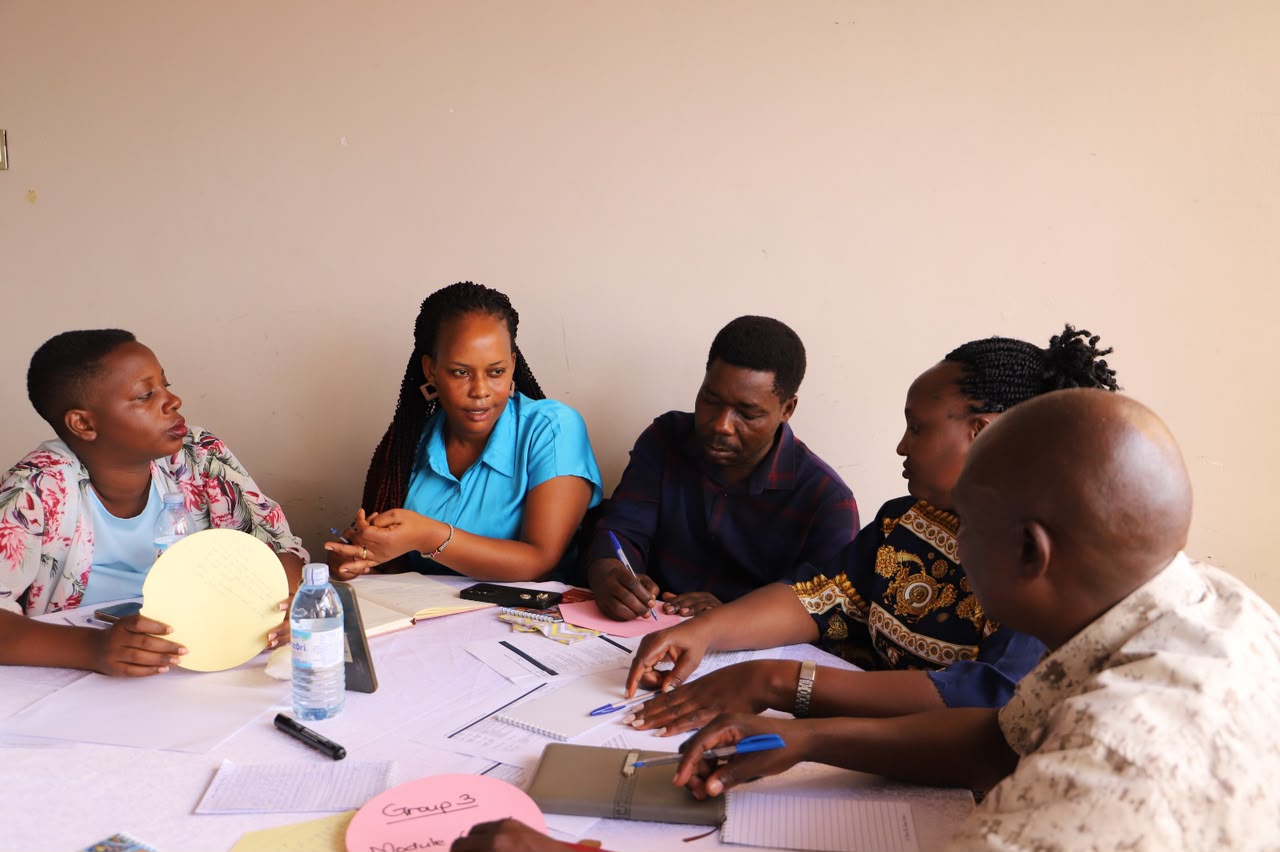
One thing we were clear about from the start: no building a curriculum in a boardroom without the people who would actually use it. Back in November 2025, we ran a multi-day workshop with more than 30 people from across the health system, District Health Officers, District Health Educators, clinical officers, Village Health Team members, and even a few clients. Using a human-centred design approach, they didn’t just listen. They defined what good communication means in their own words, mapped out patient journeys, role-played real scenarios, and tested every idea against the messy reality of their facilities.
From there, attendees onboarded 25 peers each, growing our digital readiness survey to nearly 80 participants across five districts: Kampala, Wakiso, Jinja City, Gulu City, and Mbale City. The result is a curriculum that health workers genuinely helped shape, refined through their feedback and benchmarked against similar programmes elsewhere. What came out of it is an eight-week, competency-based programme run through the Ministry of Health’s Learning Management Platform, backed by WhatsApp peer-practice groups, SMS reminders, and short coaching sessions at the facility. Each week covers one module, so the learning stays manageable even with a full workload.
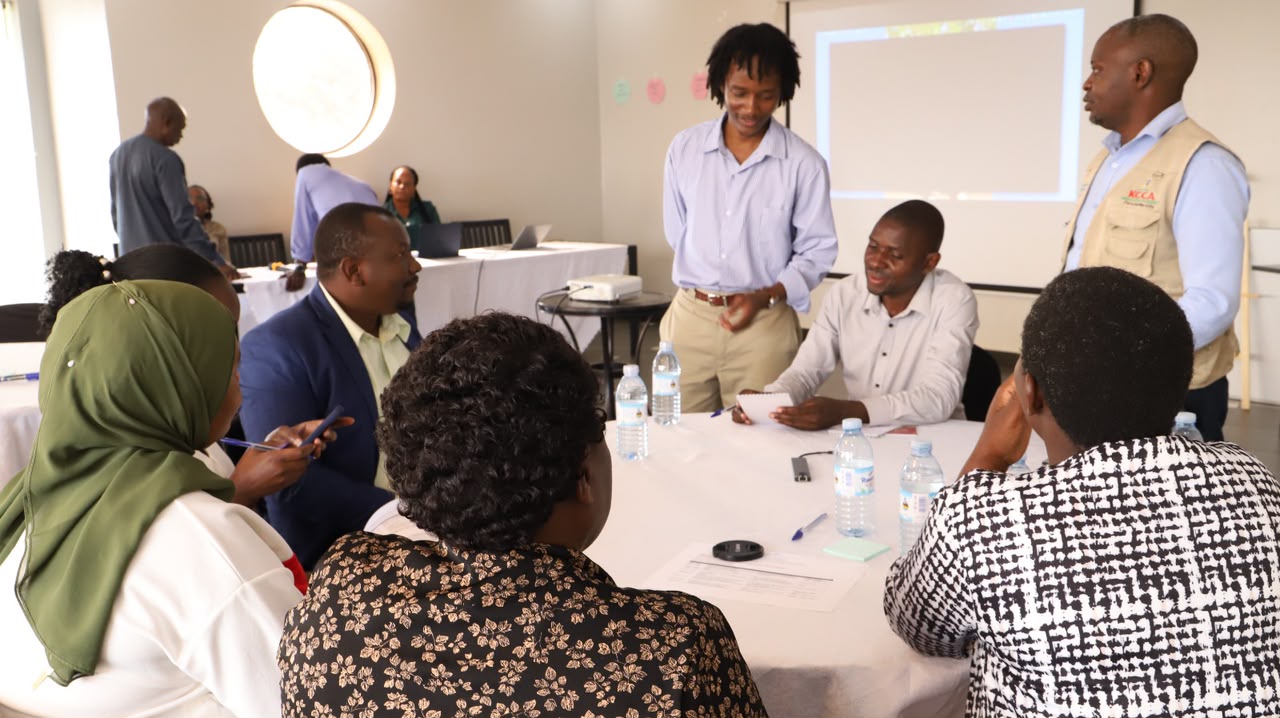
Round table discussions
The Training of Trainers Workshop
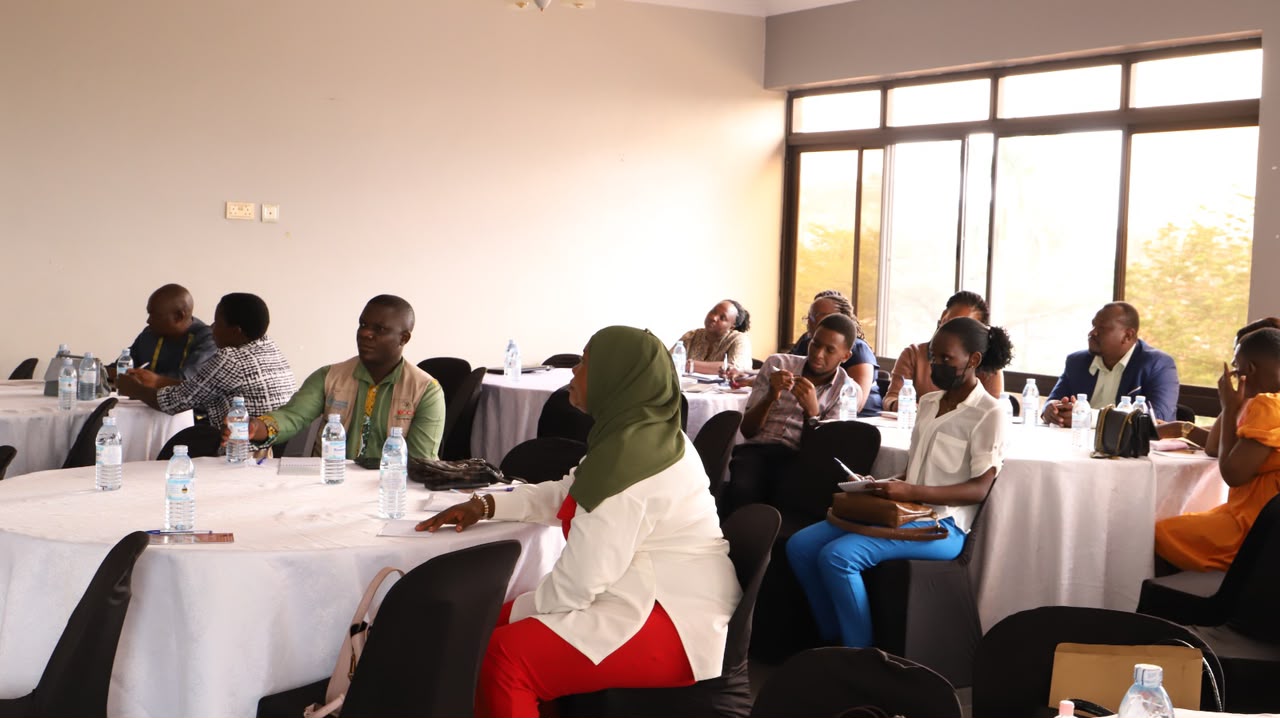
On Tuesday the 25th and Wednesday the 26th of August, over 30 health workers gathered at the Padre Pio Leisure Centre in Kyebando for the Training of Trainers. Instead of reaching thousands one by one, we equipped facility in-charges and senior staff first, and they pass the learning down through their teams to the Village Health Teams in the community.
The two days were built around practice, not lectures. The Ministry of Health team guided everyone through the improved e-learning platform, then had the group try it live. Facilitators revisited the 2025 sessions and opened the first modules: IPC fundamentals, empathetic communication, customer care, values and attitudes, and the delicate skill of breaking bad news. After an honest reflection, “Does this match our reality?”, small groups simulated a full learning flow and saw how the LMS, WhatsApp, CME sessions, and supervision fit together, closing with paired practice and coaching.
Day 2 went deeper into modules four through eight: behavioural change communication, non-judgmental and supportive dialogue, handling emergencies and critical situations, communicating with clients who have disabilities, and building trust. Live demonstrations from participants kept each topic rooted in familiar, local examples. The standout moment was a scenario and role-play lab, where the group created realistic practice cases to use in their own facilities. The session wrapped with a plenary on what should stay, what needs changing, and, most importantly, the kind of support health workers will need to keep these skills alive once they’re back at work.
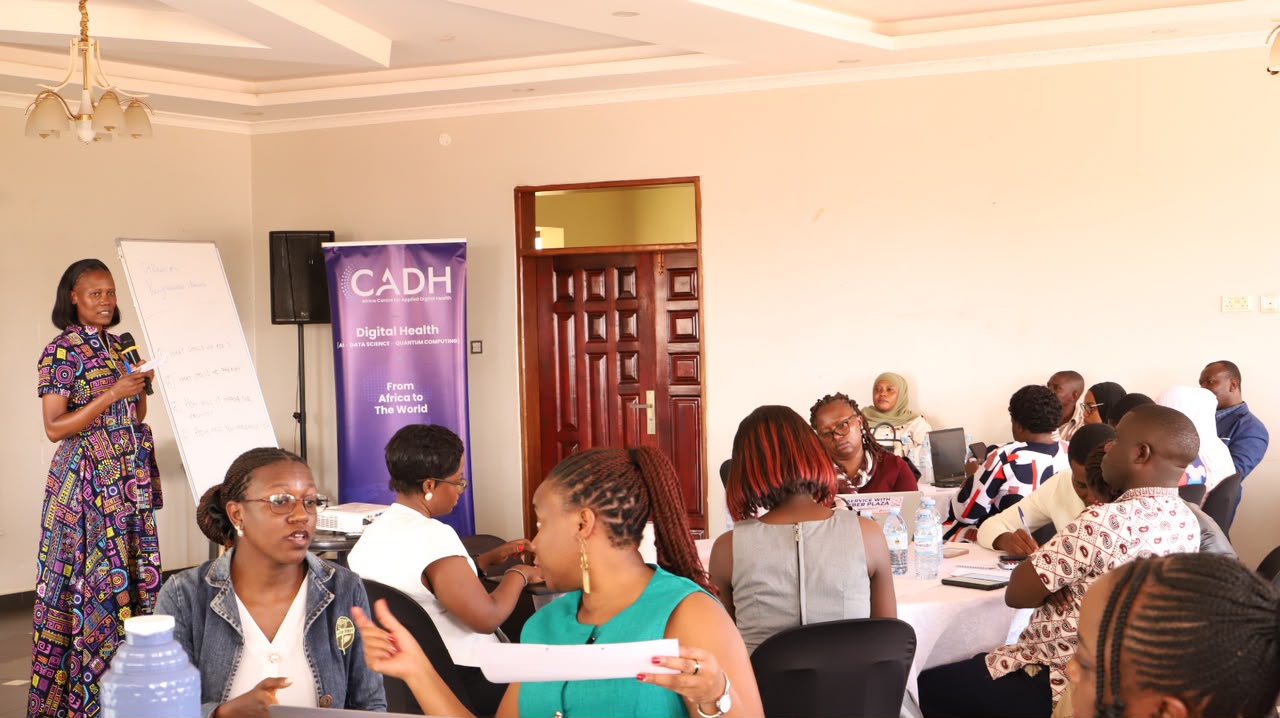
Ritah Mwagale, a UNICEF Representative addressing health workers during the training
What Came Out of It
The clearest takeaway is that the people doing this work recognize the problem and want to fix it. Throughout both the co-creation phase and the training, participants pointed to the same handful of things that build trust, empathy, humility, respect, active listening, transparency, and confidentiality, and the same things that break it: poor attitudes, dismissive language, cultural insensitivity, and checking your phone while a patient is talking to you.
Where This Goes Next
The trainers were trained, the curriculum is approved, and the platform is ready. The next phase moves the training into everyday practice, where health workers apply what they’ve learned over a three-to-eight-month practice window, supervisors observe and coach, and the project tracks progress.
The pilot will start across at least five urban districts, with an eye on scaling from there. But the ambition runs deeper than any single training round. The real goal is for us to weave interpersonal communication into the fabric of how Uganda trains, supervises, and supports its health workers, so that being listened to, respected, and clearly informed becomes something every patient can simply expect.
Because in the end, that’s what this is all about. Not just better-trained staff, but a health system where people feel cared for and keep coming back because of it. CADH is building exactly that!.
Need to find out how everything works, contact us on email; info@cadh.africa or Tel;+256 (0) 766 533 357.