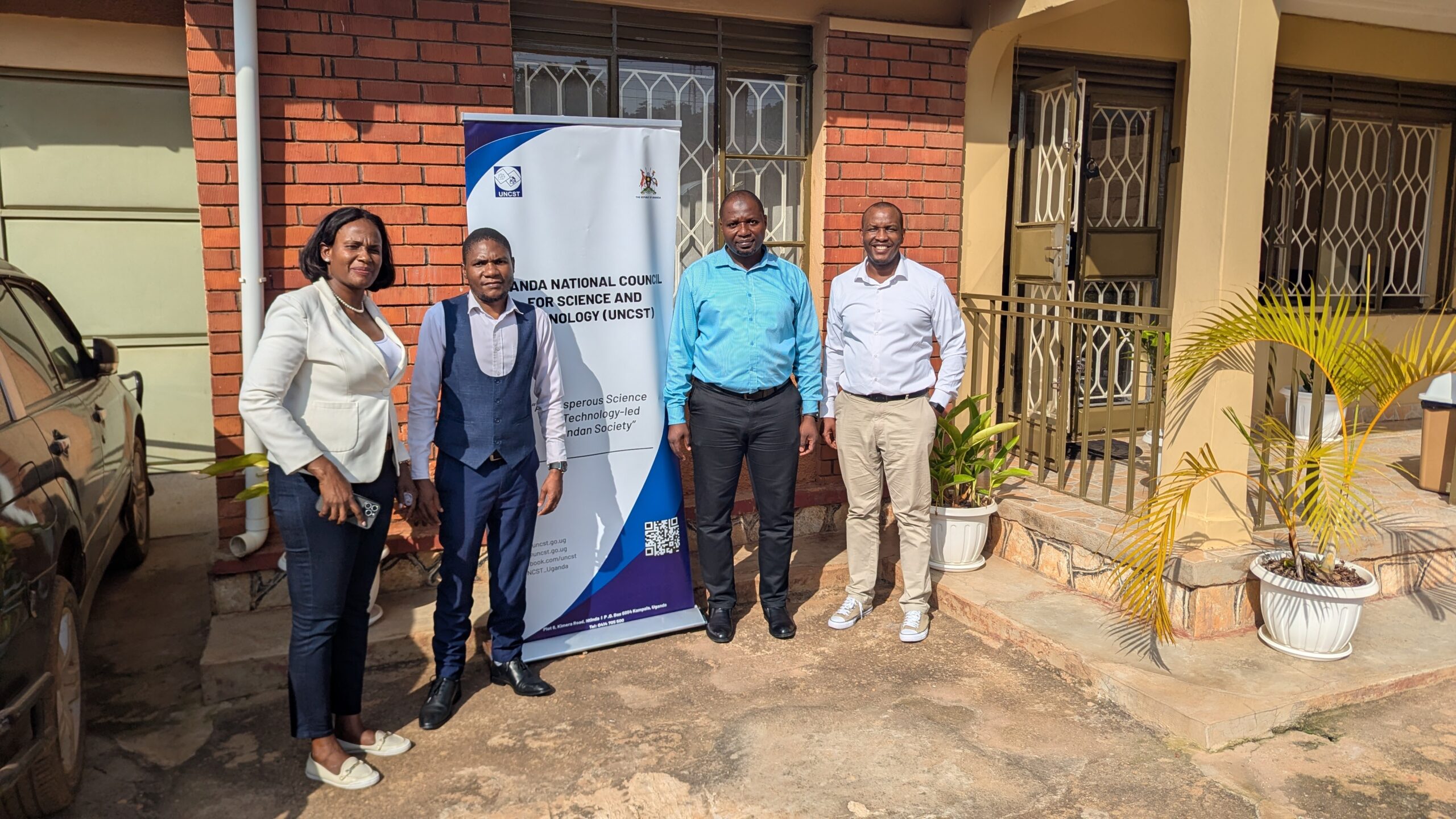
Uganda National Council of Science & Technology (UNCST) Reviews CADH’s Biobank Study
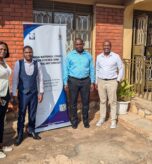
On Friday, 6 November 2026, a team from the Uganda National Council for Science and Technology (UNCST) visited the Africa Centre for Applied Digital Health (CADH) in Kampala for a routine monitoring visit to the SAMPLE Study. The CADH team was led by the co-investigator, Dr. John Mark Bwanika who doubles as it’s the Executive Director.
The UNCST monitoring visit.
The UNCST holds the mandate for research oversight in Uganda under the UNCST Act, 1990 (Cap 211). Every study approved to run in the country is expected to remain open to review, and monitoring visits are how that expectation is tested in practice.
During the visit, the UNCST team discussed the study with CADH and reviewed relevant documents. Discussions covered study implementation, sample handling and data protection, and the team gave guidance to support responsible conduct of the work.
Monitoring visits help clarify requirements, identify areas that may need strengthening and support continued compliance. They also help maintain confidence in research and protect participants’ rights, safety and welfare.
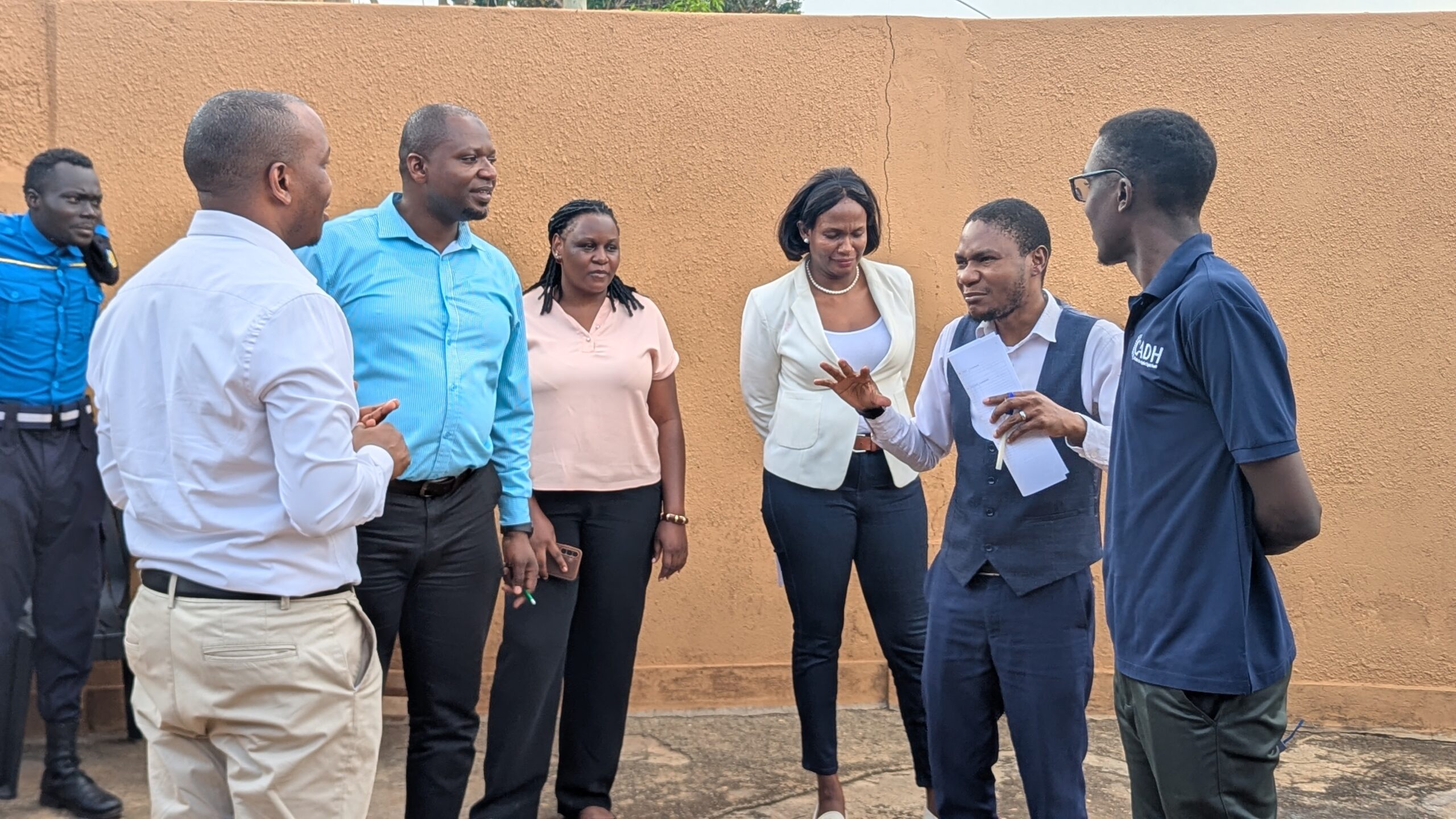
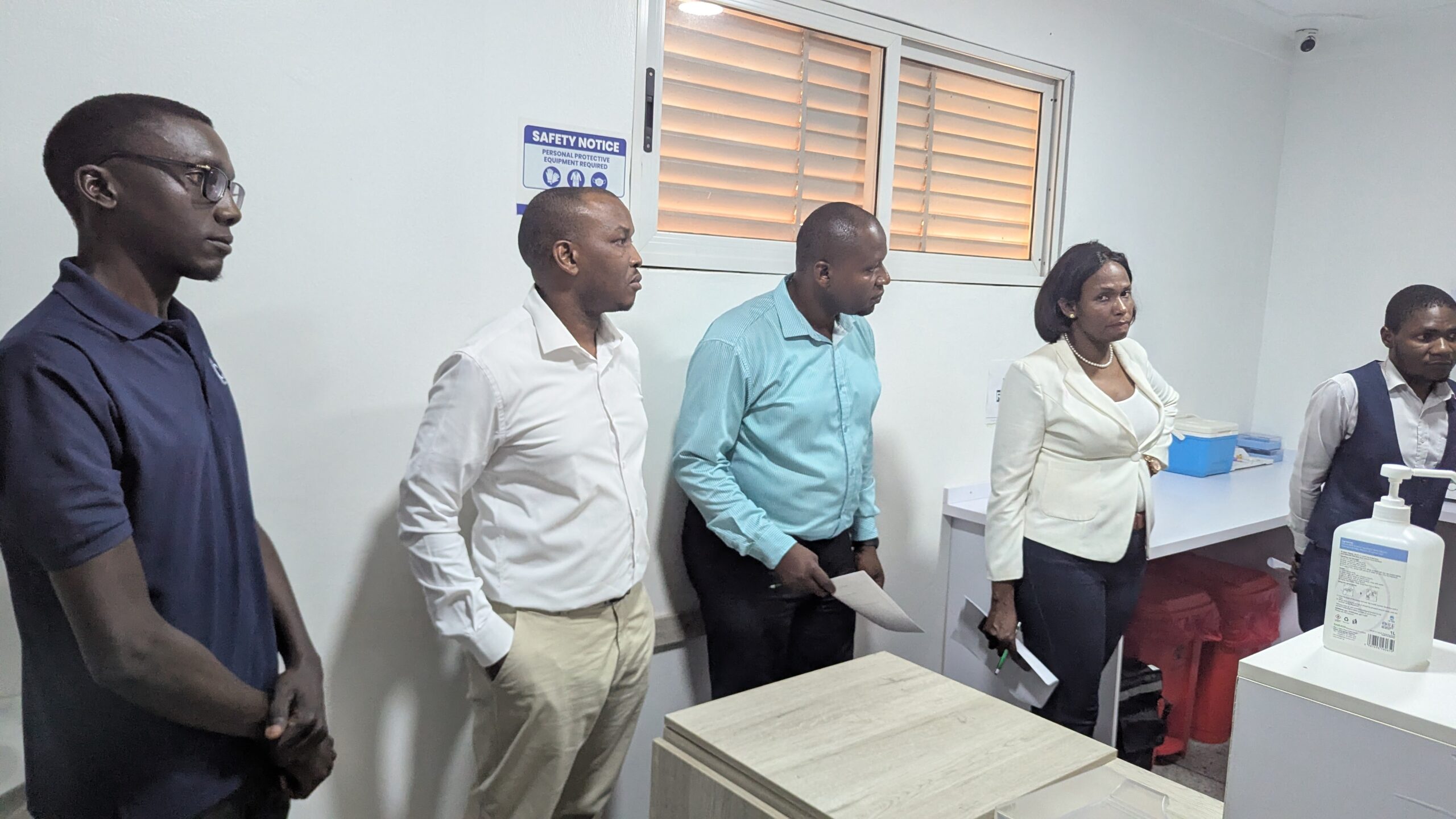
Dr. John Mark Bwanika( in long-sleeved white shirt) discussing with the UNCST team at the Bio Bank premises.
What a biobank is.
A biobank is an organised collection of biological samples including blood, urine, tissue, and other specimens stored alongside the information that gives them meaning: the age, sex, diagnosis and clinical history of the person they came from.
It is a biorepository, run to a standard rather than a cupboard of forgotten test tubes. Samples are collected with consent, processed, labelled, and kept under controlled conditions so that they remain usable years later. Access is logged. Patient identity is separated from the specimen, and only a secured link allows the two to be rejoined when it is scientifically necessary and ethically permitted.
The idea is simple but powerful. Most medical research is limited by how many samples a single study can gather in the time it has.
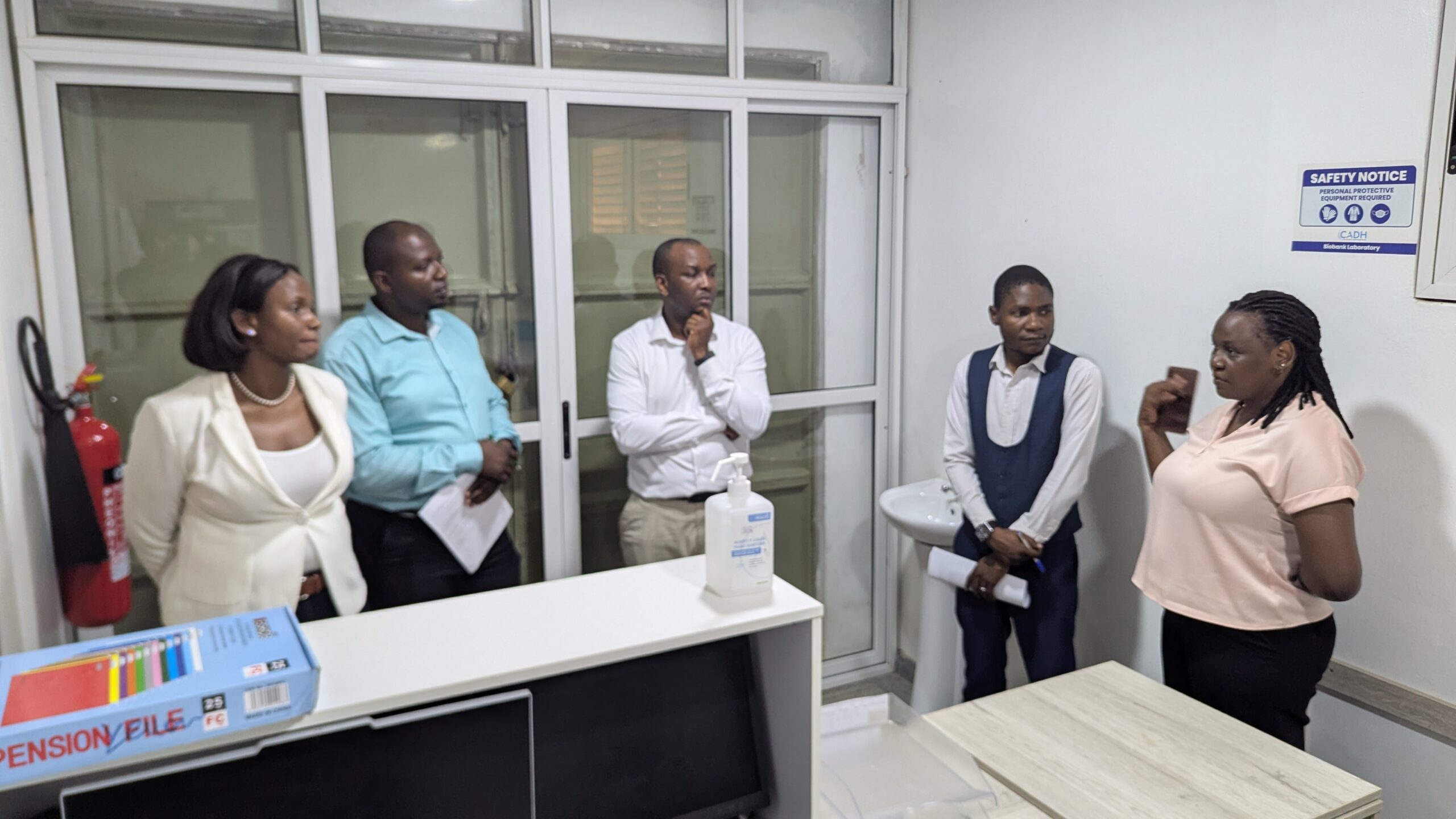
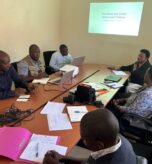
The Biobank Operations Lead, Sharon Okose (extreme right) responding to the UNCST team queries.
A biobank removes that bottleneck. It allows one collection to support many studies, conducted by different researchers, years apart, on questions nobody had thought to ask when the sample was first taken. Large collections have made possible the genome-wide studies that underpin modern genetics and, increasingly, precision medicine and the tailoring of treatment to the biology of a particular patient rather than to an average one. Because the samples carry data about large numbers of people, and because that data can be reused, biobanks also raise hard questions about privacy, ownership, consent and equity. That is why they are governed as carefully as they are built.
Why a biobank in Africa, and why here.
Africa carries roughly a fifth of the world’s disease burden, yet less than five per cent (5%) of clinical trials for new medicines and medical devices are conducted on the continent. The mismatch shows up in the medicine itself: treatments and diagnostics validated largely on other populations, and genetic risk factors that go unstudied because the samples were never collected here. Africa holds the most genetically diverse human population on Earth, and that diversity is one of the most valuable resources in biomedical science. It is, at present, one of the least used.
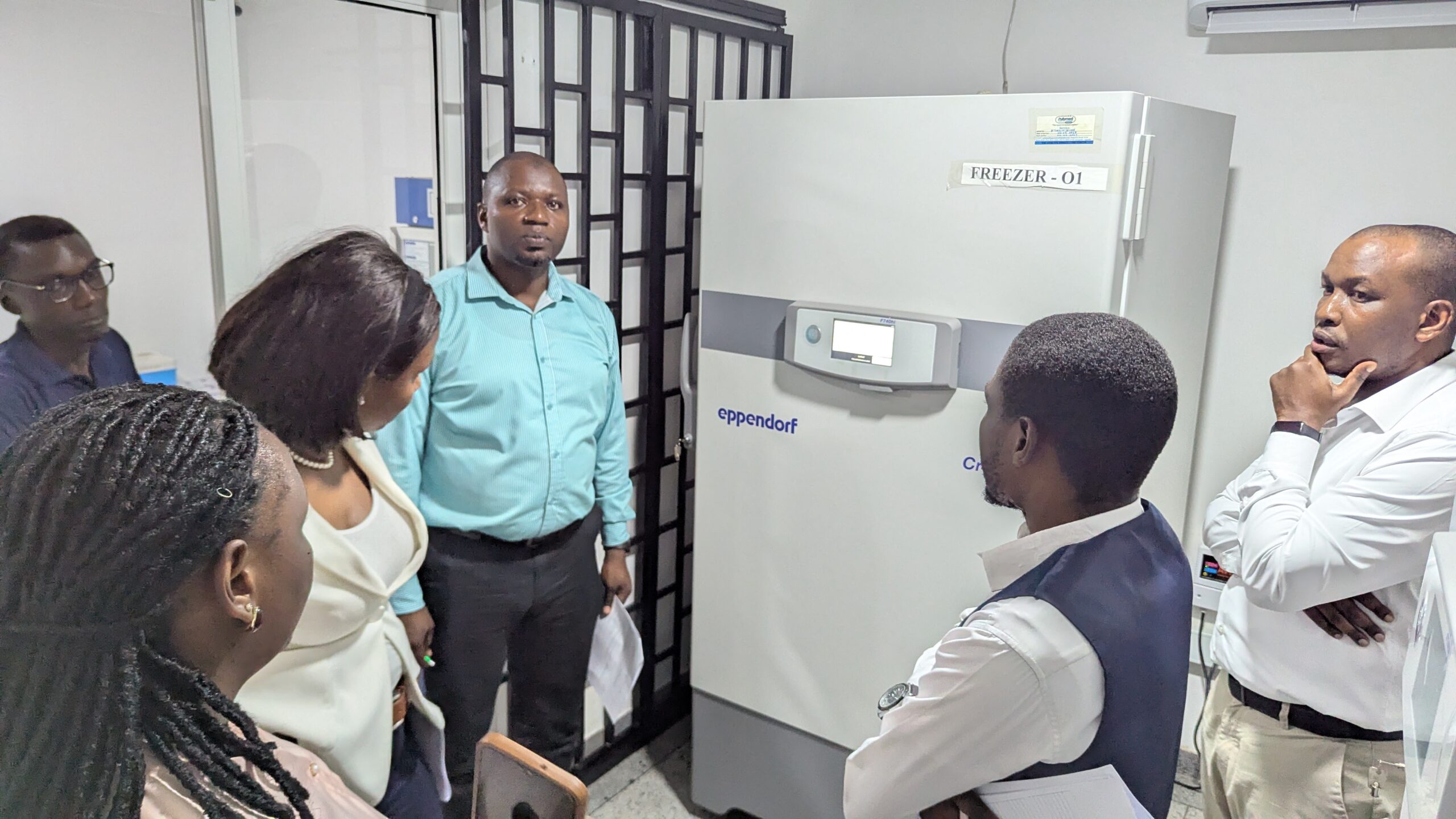
UNCST team inspecting the Bio Bank freezers.
The consequence is not abstract. Disease patterns in Uganda differ from those in the countries where most research is done, and they differ within Uganda, between regions; urban and rural populations; and between the patients who can pay for private care and those who cannot. Without local samples and local data, those differences remain invisible to the science that is supposed to address them.
Uganda is a sensible place to begin.
The country has a functioning research oversight system, clear national guidelines for research involving humans, a growing private health sector with high patient volumes, and a Ministry of Health that has been consistent in its expectation that research be both useful and lawful. What it has lacked is the infrastructure to turn the samples already being taken in routine care into a resource for research.
The project.
That is the gap CADH is testing. Our biobank study, funded by the African Population and Health Research Center (APHRC) and running since 2024, is a feasibility assessment: whether a biobank built on patient leftover samples from routine healthcare can be set up and sustained within the private health sector in Uganda, and in Kenya alongside it.
The phrase “leftover samples“. These are specimens that would otherwise be discarded after a patient’s test has been completed and reported, not extra blood drawn, not additional procedures, not a burden added to anyone’s care. Where a patient gives voluntary consent after receiving routine care, the remaining sample can be processed, stored, and later used for research, with the data handled to strict standards of confidentiality.
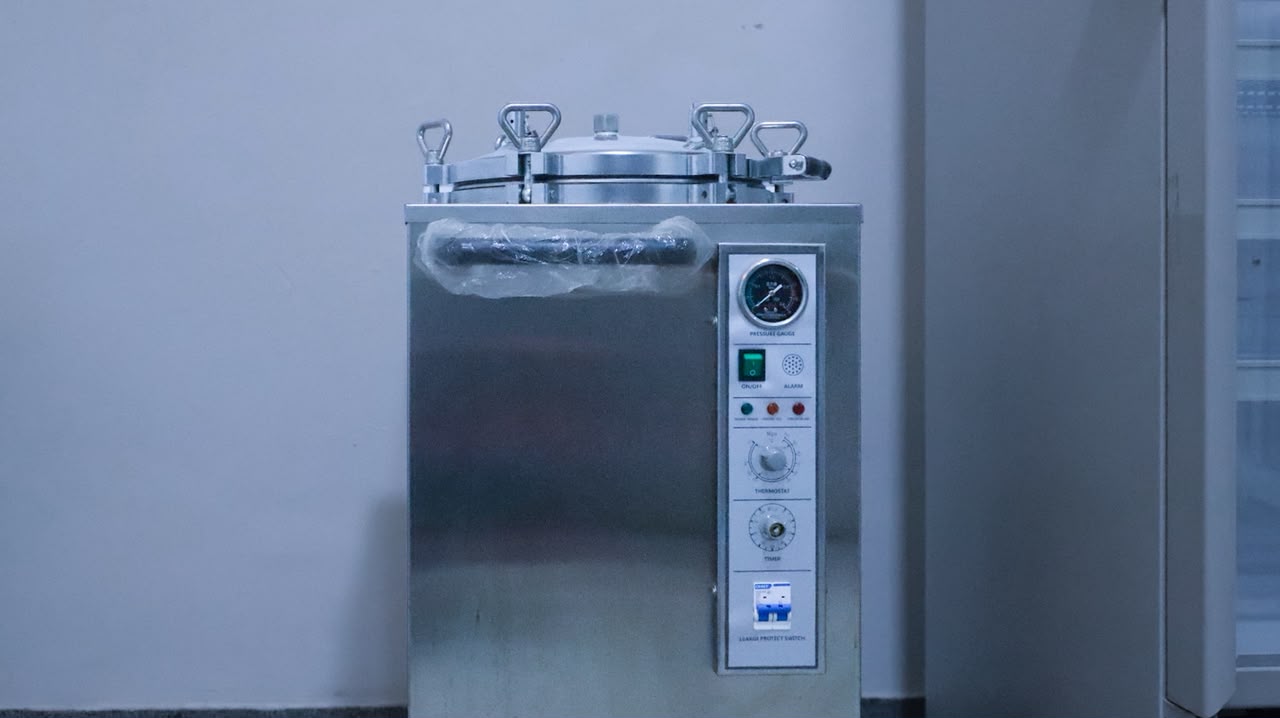
Inside the Bio Bank
The project is also assessing what facilities need in order to do this well: sample handling systems, cold-chain capacity, data management, staff training, and a governance model that will outlast the study itself. The work is being done with CADH establishing collaborations with facilities, regulators and researchers, which has led to service availability and readiness assessments in selected private facilities. Preliminary engagement has already brought together the Ministry of Health, UNCST, researchers, hospital owners and ethics bodies with the same institutions whose confidence the project ultimately depends on.
Alongside the biobank, CADH is strengthening the data systems of private facilities so that the samples are matched by orderly, usable records: dashboards on patient demographics, disease trends and laboratory volumes, and eventually the standards that allow a private facility to serve as a site for clinical trials. A biobank without good data is a warehouse. With good data, it becomes infrastructure.
Working with healthcare facilities and partners
Successful biobanking depends on collaboration among healthcare facilities, researchers, regulators, ethics bodies and healthcare workers. Facilities contribute the clinical and laboratory expertise needed to integrate sample-related activities into routine services, while clear governance and documented procedures help protect participants and maintain sample quality.
Through this work, the study aims to identify practical approaches that facilities can sustain beyond the pilot period and to generate lessons that can inform the development of biobanking in the region.
Participation may also help facilities strengthen sample-management practices, staff capacity and the use of health information for service planning and research. Any opportunities to take part in future sponsored research or clinical trials would depend on separate approvals, eligibility and agreements; they should not be understood as guaranteed benefits.
If any of this sparks a question for your own facility, our door is open at info@cadh.africa or Tel:+256 (0) 766 533 357.
Our commitment
CADH is committed to carrying out the SAMPLE Study in line with its approved protocol and applicable ethical and regulatory requirements. The rights, safety, dignity and welfare of participants remain central to every stage of the work.
We will continue working with participating facilities and research partners to promote responsible sample management, protect confidential information and strengthen the systems needed for high-quality research. We value the guidance and oversight of the regulatory and ethics bodies involved.
A biobank is a long promise to patients, to science, and to the country that hosts it. The monitoring visit was one step in keeping it.
Article by Denis Tumusiime, Communications Officer- CADH