In partnership with UNICEF Uganda, CADH rolls out the Integrated Social and Behaviour Change (SBC) Project
The Africa Centre for Applied Digital Health (CADH) is excited to announce a new UNICEF-funded Integrated Social and Behaviour Change (SBC) Project, a five‑month project that will reach children, mothers, and communities who are often left behind by the health system. This project, implemented in partnership with the Ministry of Health alongside other partners with support from UNICEF. This reflects our commitment to equity, innovation, and community‑driven solutions in healthcare.
Project Overview
The Project is built around three categories:
- Zero‑Dose and Under‑Immunised Children (ZD/UI)
In Kyegegwa, Kamwenge, and Ntungamo, CADH will mobilise communities, run radio campaigns, and work with influencers to ensure children receive life‑saving vaccines. Each district’s unique barriers, such as provider distrust or retention failures, will be addressed with tailored strategies.
- SRHR and Maternal, Newborn Health Norms Coordination (SRHR/MNH)
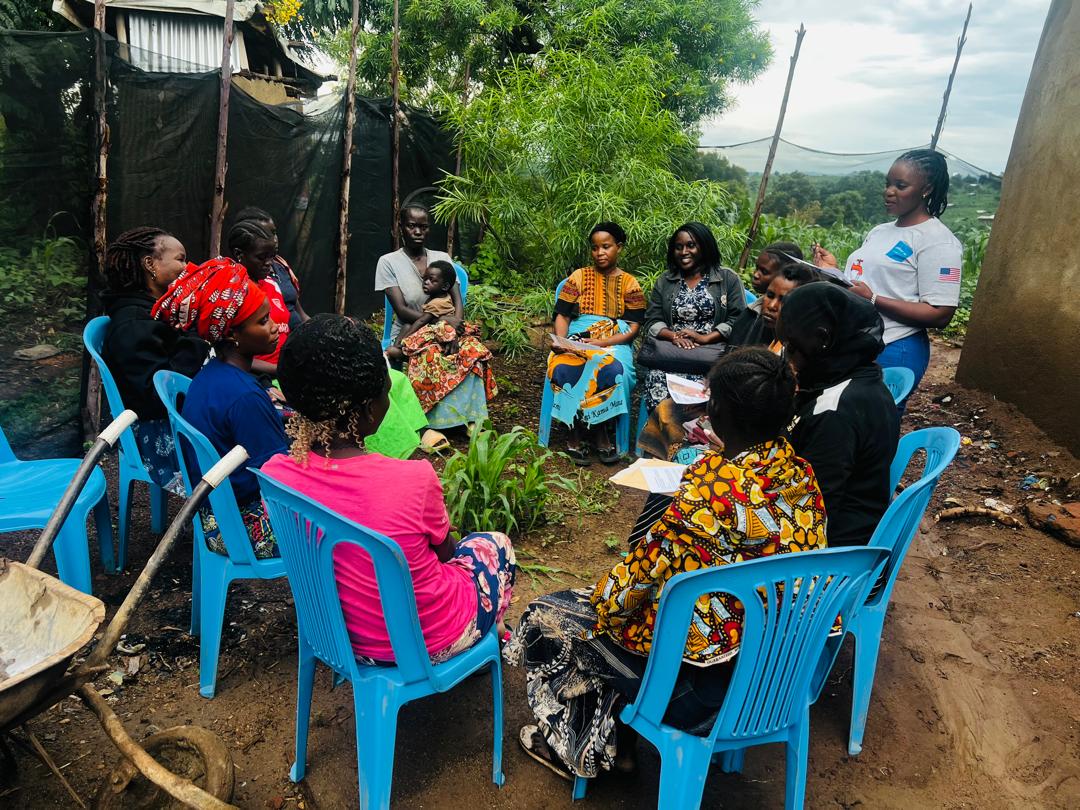
Our Team engaging women and mothers on Sexual Reproductive Health and Rights
In Namayingo and Kamuli, CADH will partner with the Busoga Kingdom to shift harmful gender and cultural norms that block women and families from accessing reproductive and maternal health services. Cultural leaders will play a central role in reshaping community attitudes.
- Equity‑Focused Community Engagement (ERG)
Across Fort Portal City, Mbarara City, Jinja City, Jinja District Local Government, Kasese, Isingiro, and Kikuube, CADH will design differentiated Social Behaviour Change programs for underserved urban populations, fishing communities, and refugee/host communities. Each group faces distinct barriers, from language diversity to seasonal migration, and our strategies will reflect these realities
A Regional Social Behaviour Change Technical Working Group (TWG) will be strengthened across all streams to ensure sustainability and district‑level ownership
Inception Meeting
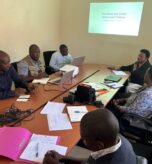
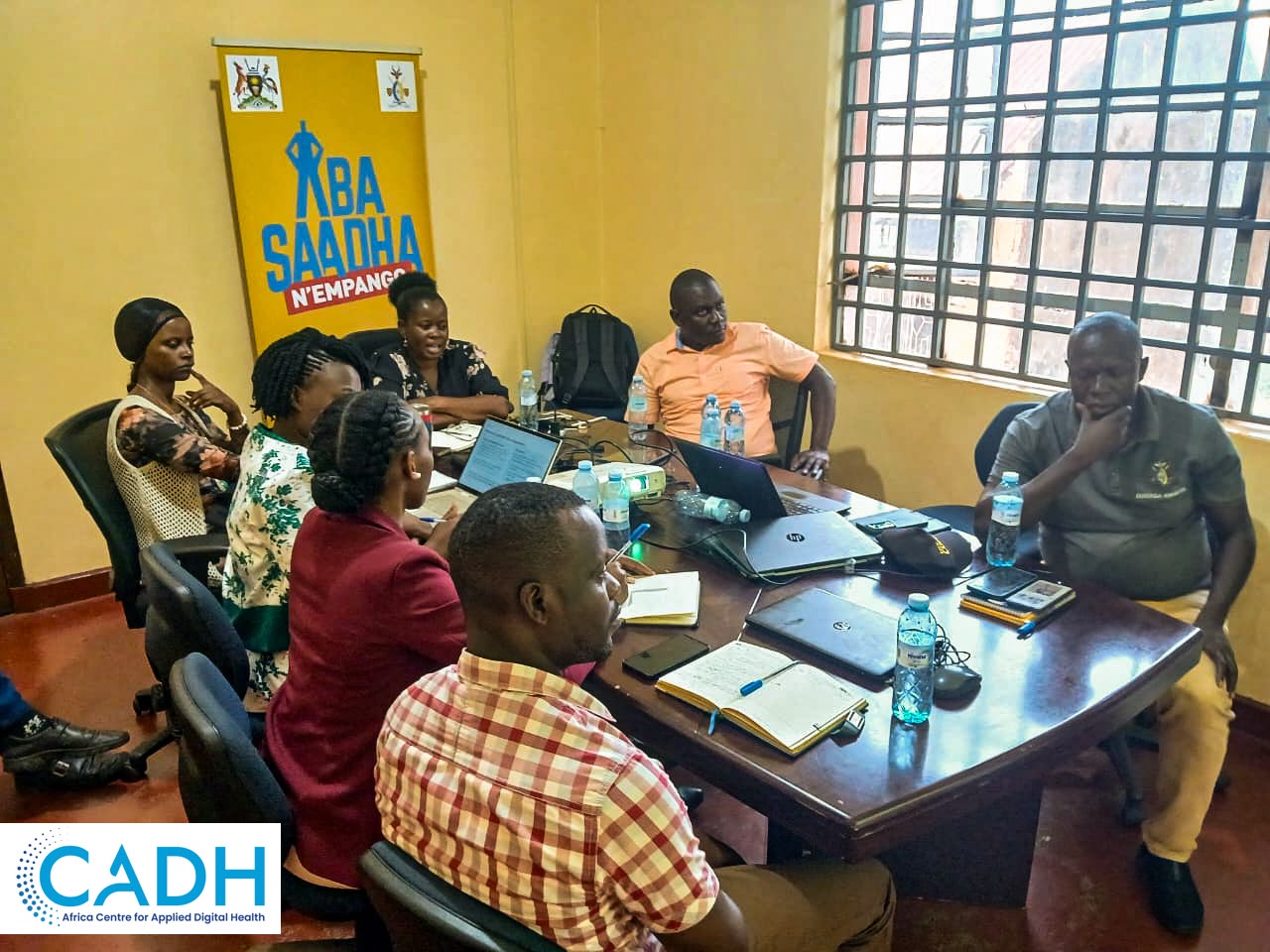
On 7th September 2026, we held an inception meeting at our offices to introduce the project, share implementation strategies, and align with partners. The meeting brought together stakeholders to discuss barriers, approaches, and coordination mechanisms. By the end of the session, the CADH team was fully prepared to begin initiation processes across all districts of implementation.
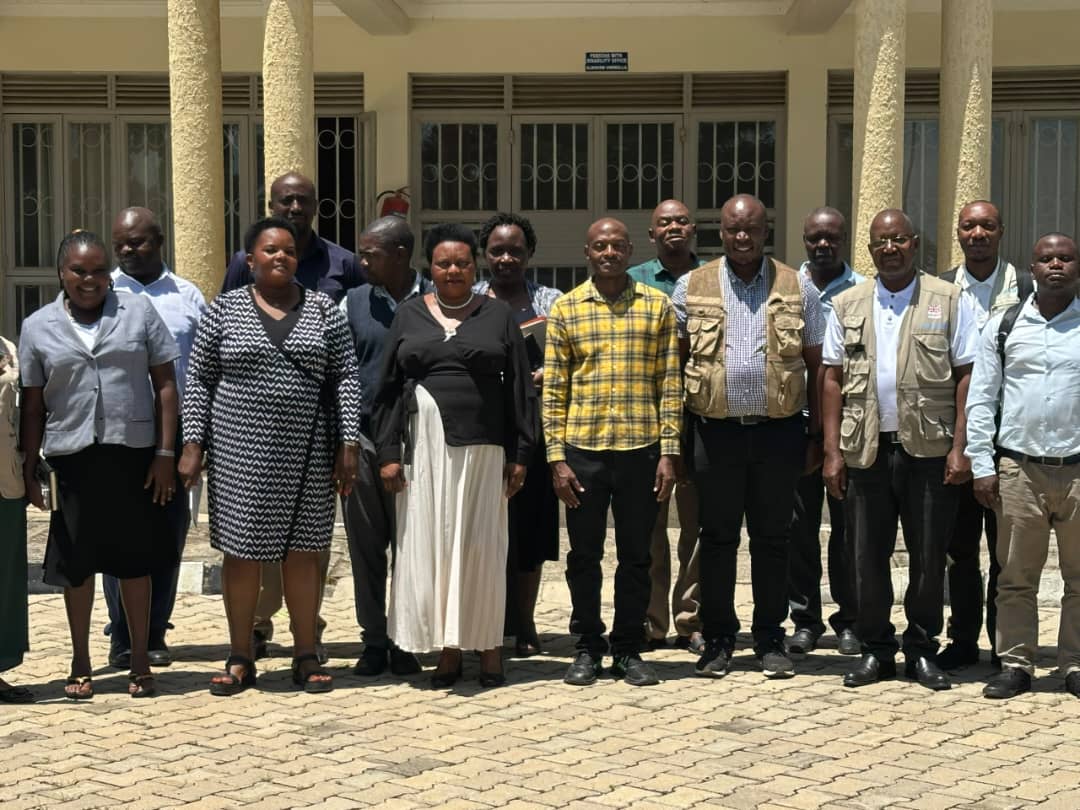
Our project officer, meets with Kamwenge district stakeholders during the inception meeting
Why This Project Matters
This initiative is about more than vaccines; it is about equity, dignity, and rights. By identifying zero‑dose children, recovering under‑immunised children, and promoting second‑year‑of‑life (2YL) services, CADH is ensuring that no child is left behind.
- For mothers, it means breaking down harmful social norms that restrict access to care.
- For communities, it means building trust through culturally sensitive dialogues and mobilisations.
- For health systems, it means strengthening coordination structures that will last beyond the project’s five months.
This project reflects CADH’s mission to combine digital health innovation, community mobilisation, and inclusive policy advocacy to improve health outcomes.
Appreciation to UNICEF
We extend our heartfelt gratitude to UNICEF and UNICEF Uganda for trusting CADH’s expertise in implementing health programs and solutions. By awarding us this project, UNICEF has reaffirmed its confidence in our ability to deliver impactful, community‑driven interventions. Together with the Ministry of Health, we will ensure that every child, every mother, and every community has the opportunity to thrive
Looking Ahead
Over the next five months, CADH will:
- Conduct barrier assessments and community dialogues.
- Launch radio campaigns and influencer orientations.
- Strengthen Technical Working Groups and build capacity among health workers.
- Document human‑interest stories that showcase real change.
This is not just a project; it is a movement to restore trust, empower communities, and make healthcare equitable for all.
#UNICEFZeroProject #DigitalHealth #SRHR #EquityInHealth #NoChildLeftBehind